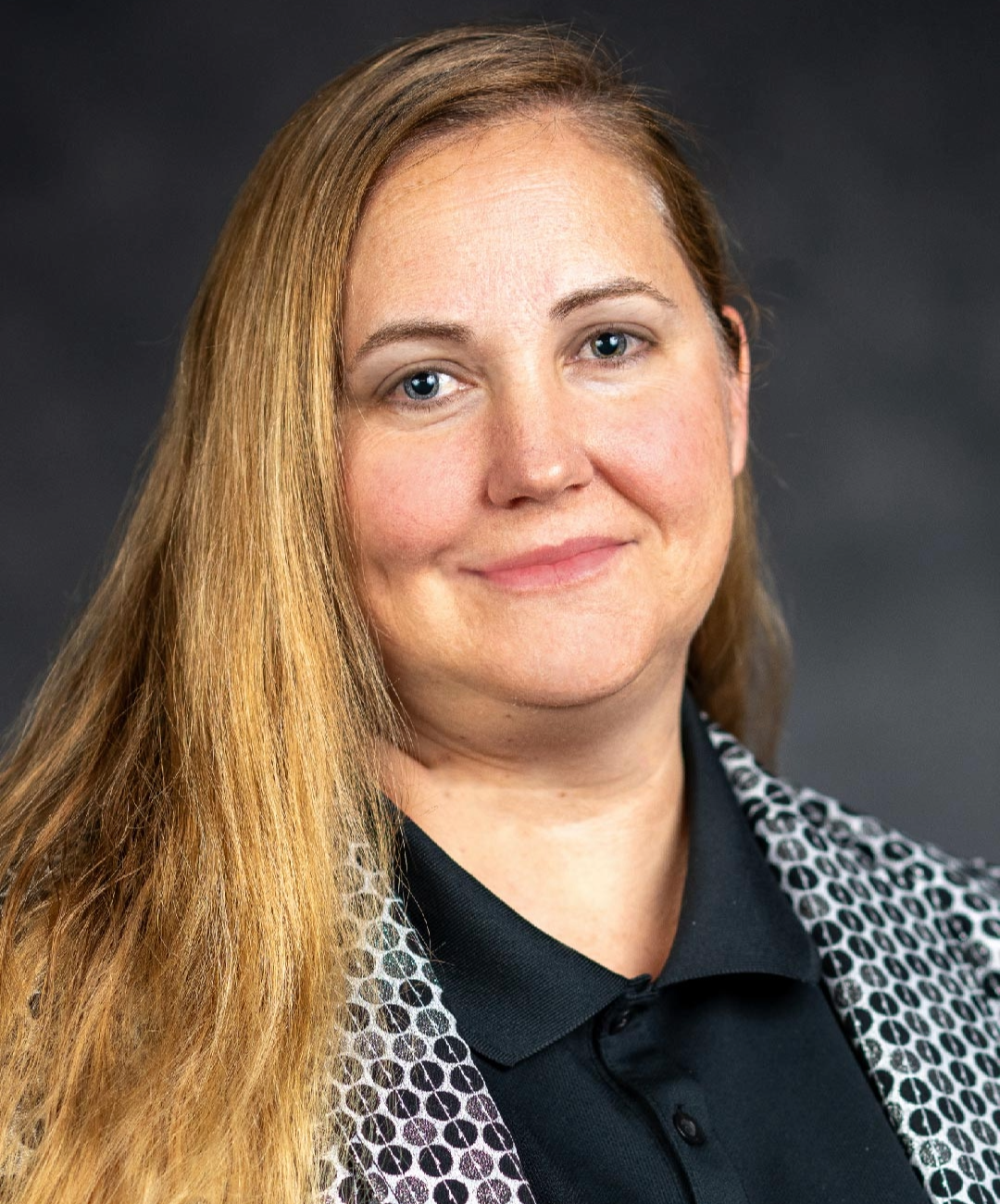
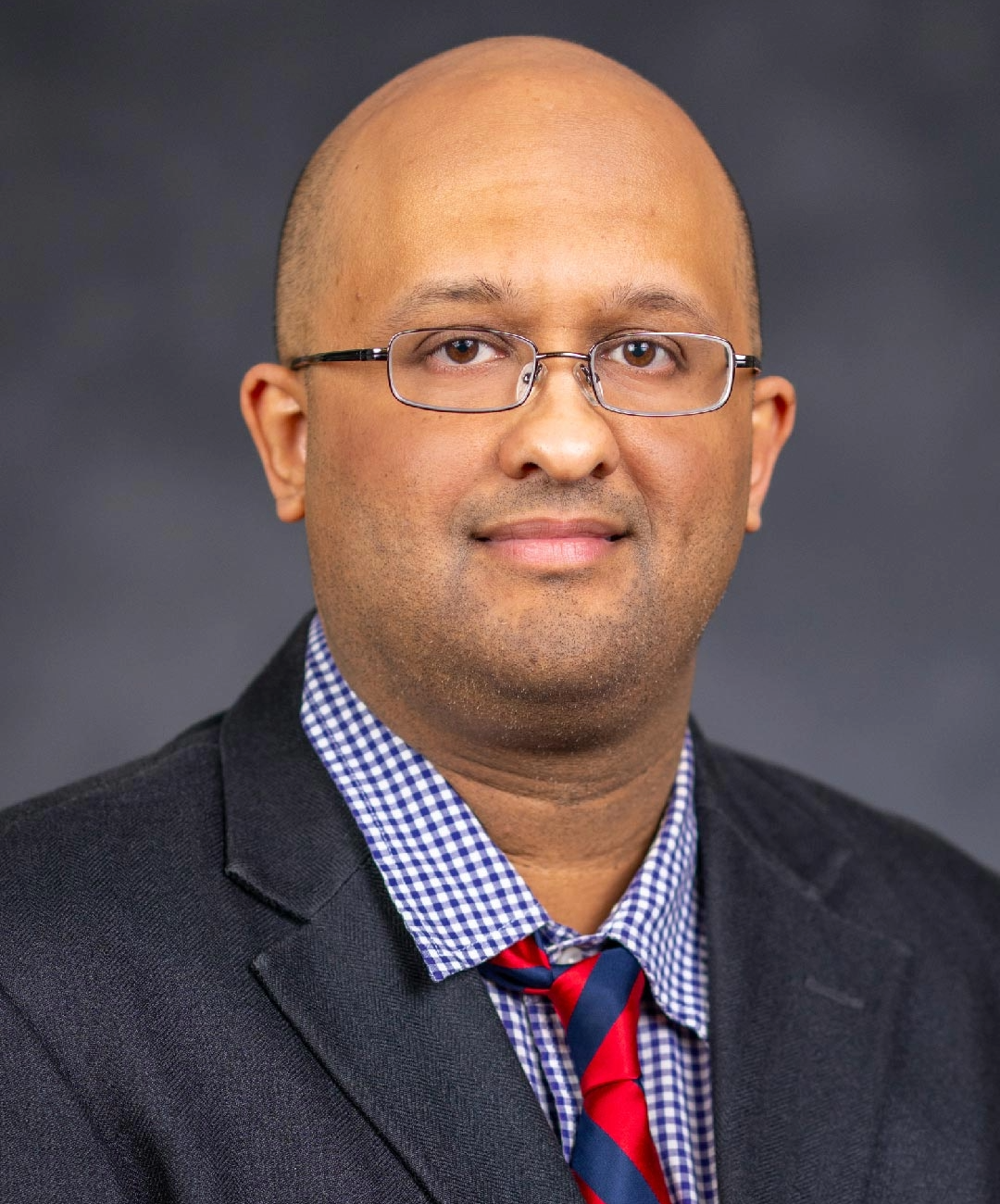
Dr. Heather Simmons is the Director for the Institute for Infectious Animal Diseases. Dr. Simmons has a Doctor of Veterinary Medicine (DVM) degree and a Masters in Veterinary Public Health in infectious disease epidemiology, both from Texas A&M University (TAMU). She acts as the Chief Executive Officer in the Institute. She has over 16 years of experience working on infectious diseases for emerging and transboundary animal diseases for capacity development and educational activities targeting youth and professional Veterinary Services. She has developed several certification programs and has helped to deliver IIADs digital education programs in surveillance, epidemiology, risk analysis and executive laboratory management.
Dr. Simmons has acted as a resource SME for the World Organisation for Animal Health (OIE) and the Food and Agriculture Organization of the United Nations (FAO). For OIE, she has provided expertise to the OIE ad hoc Working Group for Veterinary Paraprofessionals, the OIE Veterinary Paraprofessional Expert Pool and the OIE Veterinary Emergency Management Network. For FAO, she has provided curriculum development and training expertise for the Frontline In-Service Applied Veterinary Epidemiology Training Program (ISAVET) in West, Central and East Africa. She was a previously the Chair for the Committee on Animal Emergency Management with the United States Animal Health Association (USAHA). From 2014 – 2020, she previously served as the Associate Department Head and Extension Program Leader for Veterinary Extension with the Texas A&M AgriLife Extension Service overseeing all youth development activities for Veterinary Extension in Texas. Her research has resulted in authorship of several peer-reviewed and OIE publications and 2 textbooks. Dr. Simmons receive the FP Jaggi Veterinary Public Health Award and the Texas A&M University Systems Vice Chancellor Award in International Development.
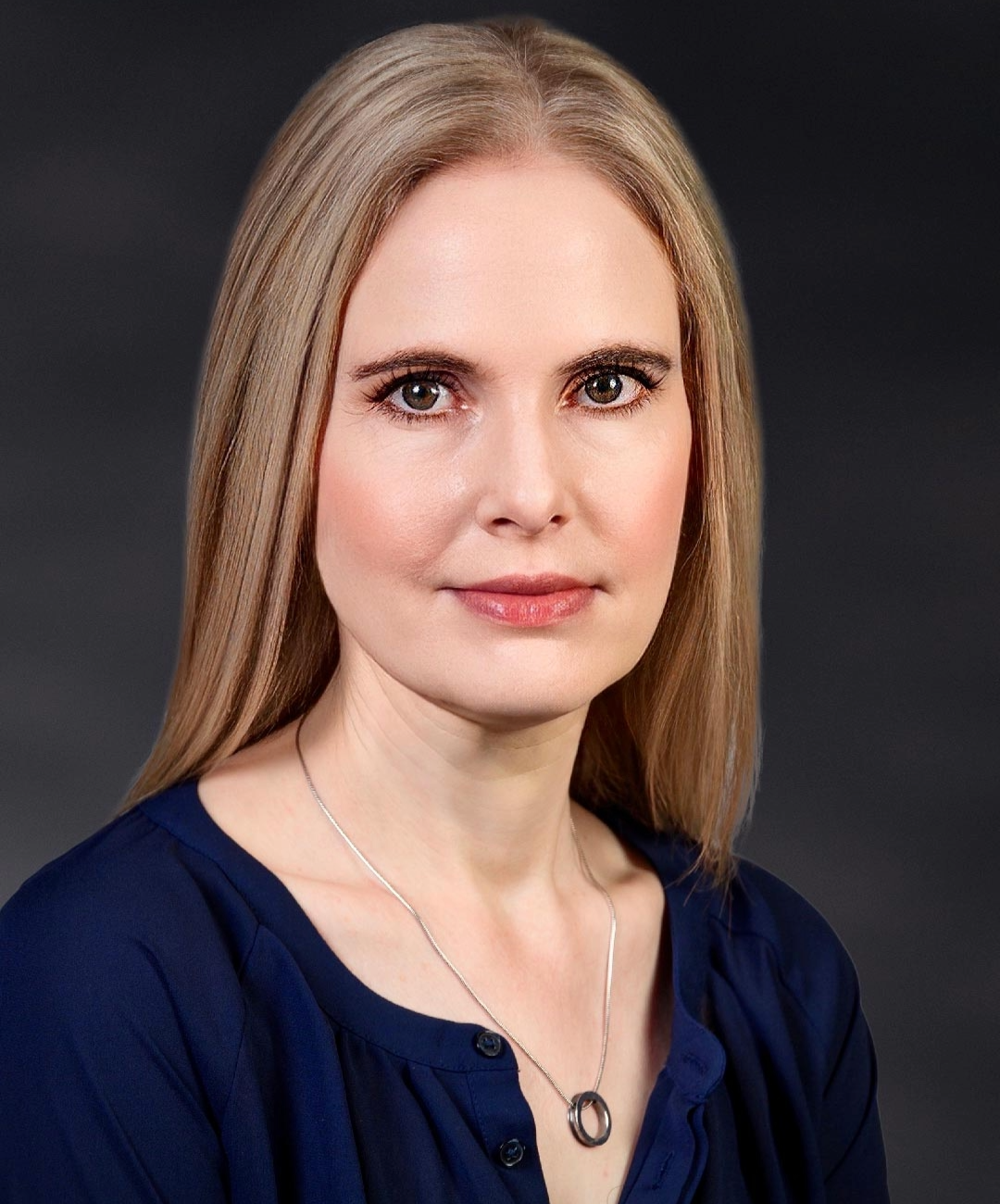
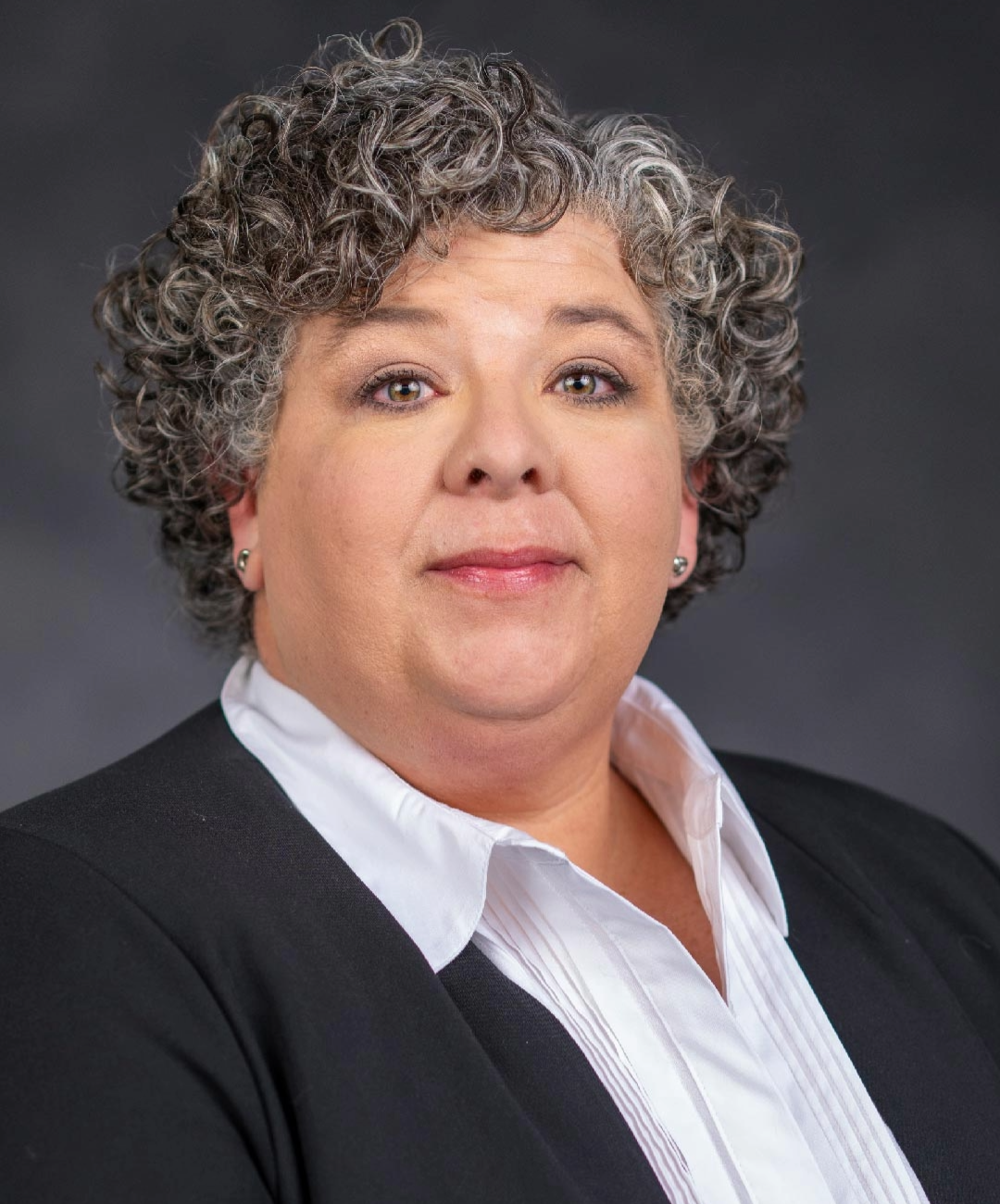
As Associate Director of the Institute for Infectious Animal Diseases (IIAD), Rachel Whisenant oversees unit operations to advance program success and ensure alignment with the Director’s strategic vision. Holding a Master of Business Administration from Texas A&M International University, Whisenant has been a dedicated member of IIAD since 2009. Her long-standing tenure reflects deep expertise in program and organizational management, research administration, and financial management. She brings a strong record of strategic leadership and operational excellence that supports the Institute’s mission and long-term growth.
Dr. Christine Budke is a Senior Lead Scientist in Risk Prevention for the Institute for Infectious Animal Diseases (IIAD). She is also a tenured professor of epidemiology, interim department head for the Department of Veterinary Integrative Biosciences, and the coordinator of the Veterinary Public Health & Epidemiology graduate program at Texas A&M School of Veterinary Medicine & Biomedical Sciences (VMBS). Dr. Budke has a doctor of veterinary medicine (DVM) degree from Purdue University and a PhD in infectious disease epidemiology from the University of Basel/Swiss Tropical and Public Health Institute. Her research focuses on epidemiology, burden of disease indicators, zoonotic diseases, and international veterinary medicine and public health.
Dr. Budke has over 20 years of experience working on infectious diseases in resource-poor areas and has a special interest in neglected tropical diseases and neglected zoonotic diseases. She acts as a resource advisor for the World Health Organization (WHO) Foodborne Disease Burden Epidemiology Reference Group (FERG) and has contributed to the Global Burden of Disease (GBD) Study. Dr. Budke was a visiting professor at National Chung-Hsing University in Taichung, Taiwan in 2019 and was accepted to the Fulbright Specialist roster in 2021. She is an Academic Editor of PLOS Neglected Tropical Diseases and an Associate Editor of Preventive Veterinary Medicine. She is also the recipient of the VMBS Bridges Teaching and Service Award and the Texas Veterinary Medical Association Teaching Award.
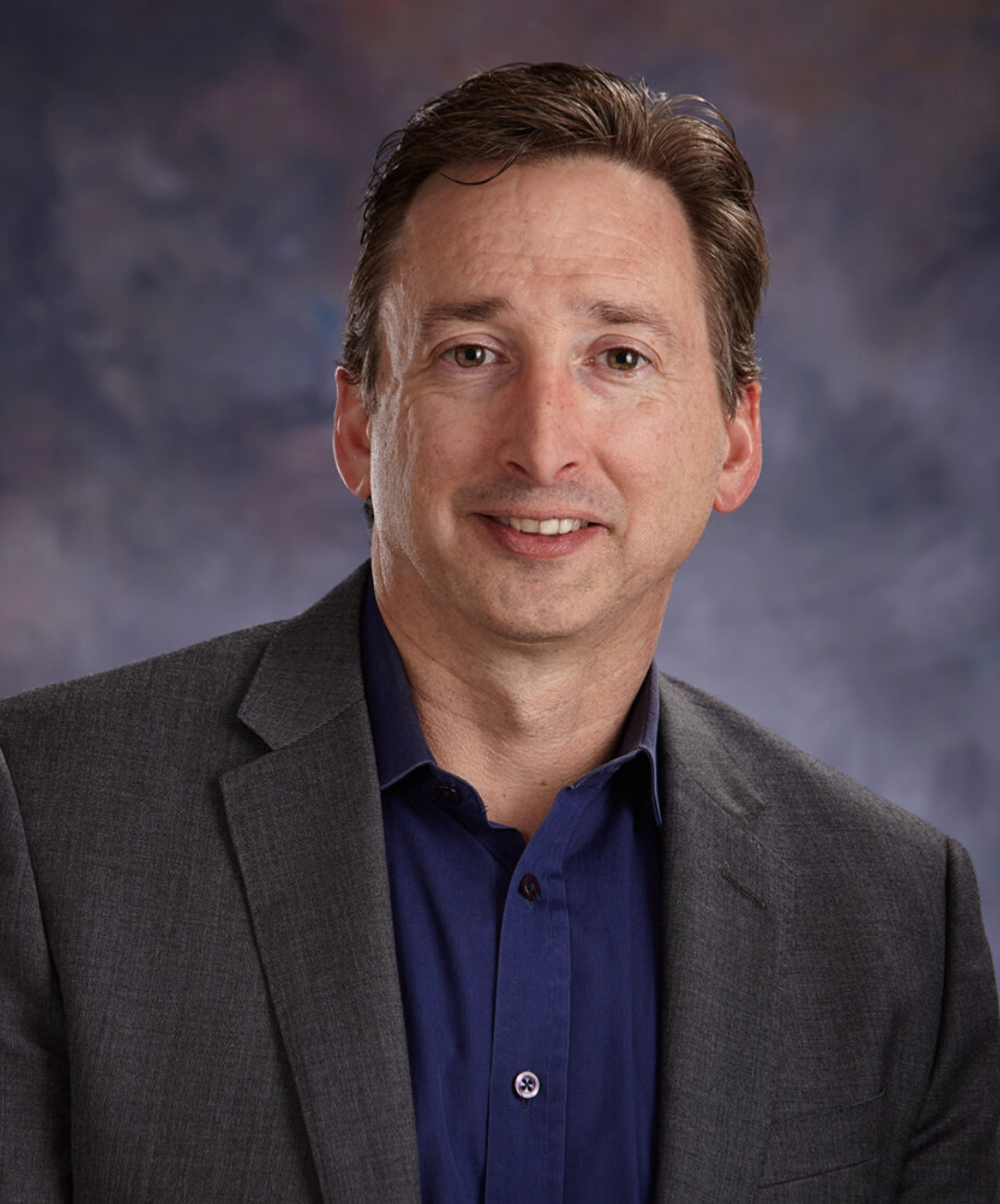
Jimmy Tickel, DVM is a veterinarian at the Institute for Infectious Animal Diseases (IIAD), serving as an animal emergency management subject matter resource for the Institute. Tickel’s expertise is specifically sought after for issues related to disease and disaster mitigation, prevention and response on a national and international level.
As an IIAD veterinarian, Tickel oversees and is involved with a number of projects focused on emergency preparedness. He serves as a technical expert on the FAO Good Emergency Management Practices (GEMP) Technical Working Group and represents IIAD as a OIE Collaborating Center to EMVETNET in the area of disease preparedness, threat reduction. Tickel is also working to advance US FMD Vaccine Planning and implementation as well as Mortality Management Capability through two NADPRP grants with the first being a sponsored national Tabletop Exercise and the second development of decision tool for centralized carcass disposal. In addition, he is currently working on a game-based learning system, initially funded by the Department of Homeland Security designed to ultimately increase Foreign Animal Disease critical infrastructure emergency preparedness.
In September 2018, Tickel retired and ended his 28 years of service to the North Carolina Department of Agriculture and Consumer Services, where he had served as Incident Commander/Operations Section Chief for the Emergency Programs Division of the Department. Tickel is also CEO of JLT Consulting LLC. Over the years, he has had the pleasure of training/presenting on Transboundary Animal Disease and Disaster Response/Preparedness in 45 states. Tickel holds a Doctor of Veterinary Medicine (summa cum laude) from North Carolina State University and also serves as an Adjunct Professor, having had the honor of training over 1000 graduates in disaster and disease preparedness.
Sarah Carrell serves as a Program Manager at the Institute, overseeing national and international programs focusing on the agriculture sector and initiatives related to animal health, livestock systems, epidemiology, and veterinary science. Carrell’s expertise includes proposal and program development and implementation, strategic planning, project governance, stakeholder and public relations, monitoring and evaluation, curriculum development, marketing and communications, and graphic design. Carrell holds a Bachelor of Science in Animal Science (with a concentration in Animal Industries and a minor in Business) from Tarleton State University.
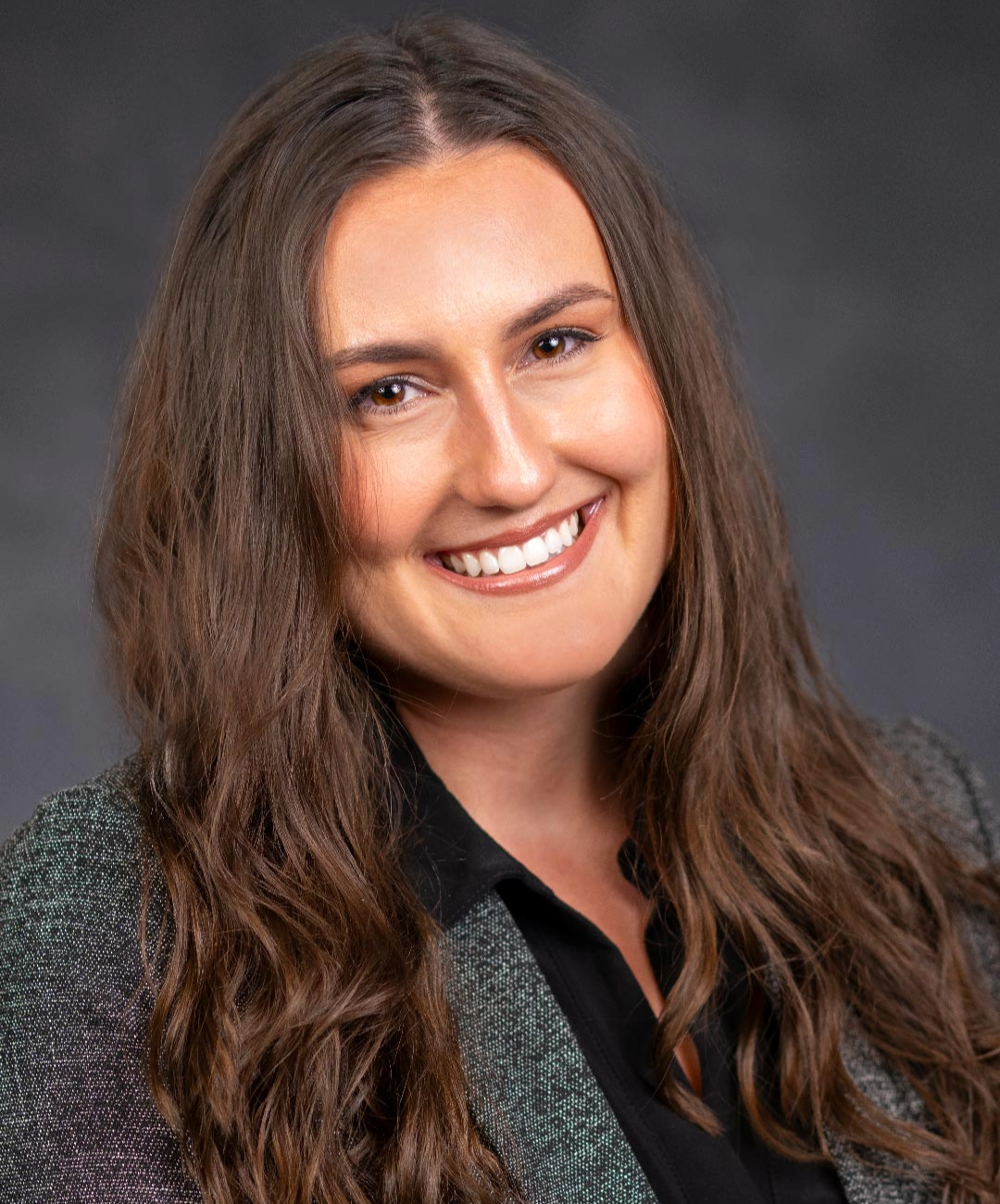
Madeline holds a Bachelor of Science in Political Science from Texas A&M University and a Master of Science in Environmental Policy and Management from the University of Denver. As the Grants Program Coordinator, Madeline facilitates and contributes to proposal development, budget development, and project coordination. She has experience assisting academic research and contract maintenance and intends to utilize her background and passion for animal science and environmental management to support IIAD’s current and future projects.
Sunil Joshi received his Bachelor of Science in biology from Texas A&M University. He then went to Houston Community College and completed an Accounting Program. He has several years of experience working in various accounting roles. Recently, he has worked at H&R Block, and also worked as an Accounts Receivable Specialist.
Sunil’s duties support the Institute’s business functions through the management of accounts, accounts payable, procurement and purchasing, cash handling and deposits, and the submission of expense reports. He also assists with financial planning and reporting, payroll, asset and space inventory certifications and requirements, and technical information regarding business policies, procedures, services, or programs.
Julie Stowell-Moss is a Program Manager at the Institute, facilitating program development, management, and implementation for national and international projects covering animal health, epidemiology, and veterinary science. Stowell-Moss’ focus areas include proposal development, budget oversight, curriculum structure, interactive learning, project training and delivery. Stowell-Moss holds a Bachelor of Arts in Sociology and Women’s studies and Master of Arts in Curriculum and Instruction from New Mexico State University. She brings extensive experience in professional learning, curriculum and instruction, online teaching and project management.
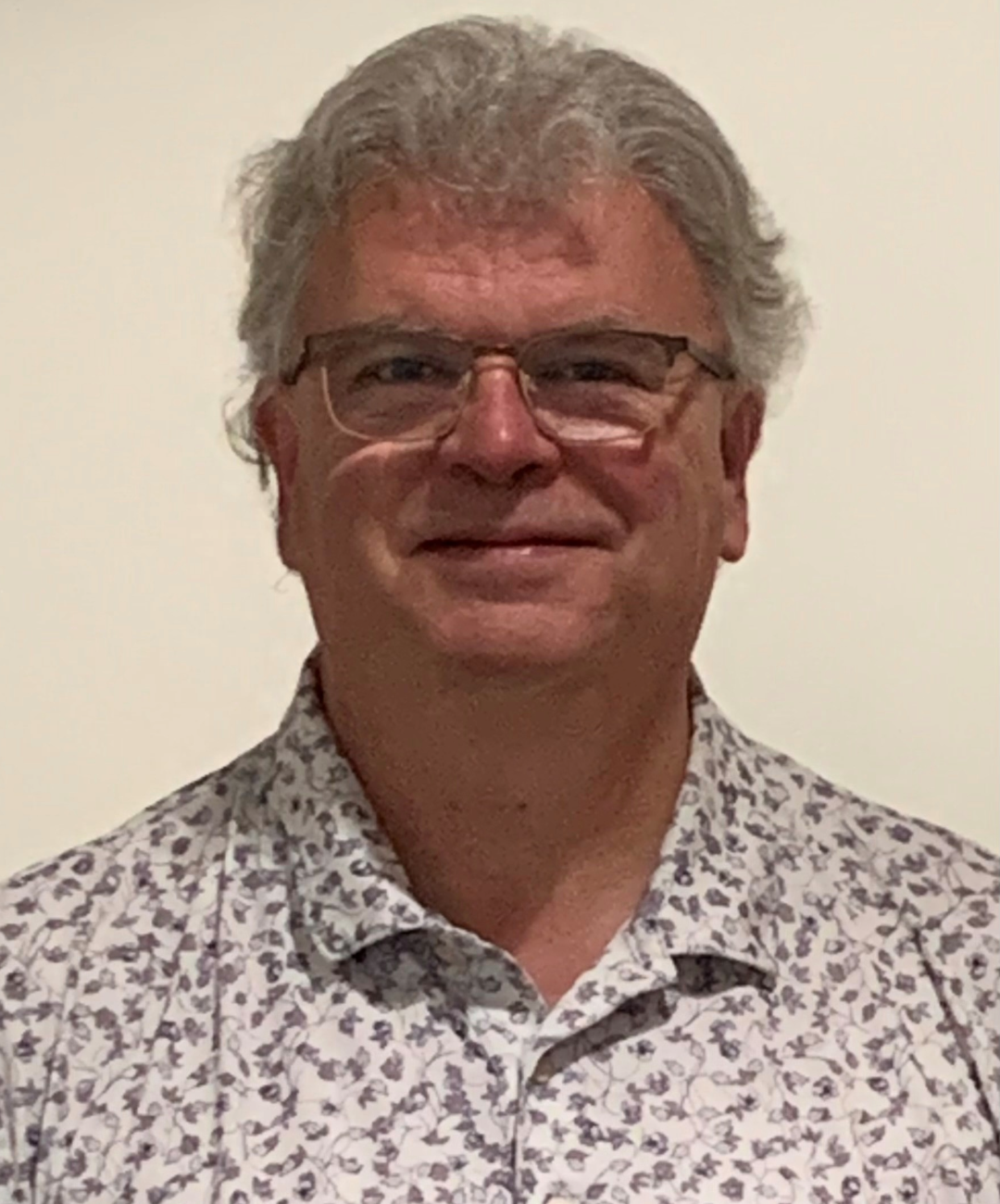
Gary Flory is a biologist and environmental scientist focused on preventing and responding to the threat of transboundary animal diseases. He spent 30 years with the Virginia Department of Environmental Quality serving as the Agricultural Program Manager. In this role, Gary provided leadership on numerous issues surrounding the nexus of agriculture, the environment, and public health. He also founded the global consulting firm G.A. Flory Consulting to provide services including animal disease and natural disaster research and response, agricultural emergency planning, and agricultural emergency training.
Gary has conducted trainings, presented research findings, and been deployed to animal disease outbreaks in a number of countries, including Timor Leste, the Dominican Republic, Brazil, Vietnam, Tunisia, South Korea, Cambodia, Laos, Malaysia, and Azerbaijan. Organizations supported by Gary include the United States Department of Agriculture, the Pan-American Health Organization (PAHO), the Food and Agriculture Organization of the United Nations (FAO), and the World Organisation for Animal Health (WOAH). Gary currently serves on FAO’s African Swine Fever Global Pool of Expertise. He was awarded the Agency Star Award by the Governor of Virginia for his community service and leadership.
Diagnostics
David Korcal
David S. Korcal, a Michigan State University graduate, has over 37 years of veterinary diagnostic experience with the Michigan State University Veterinary Diagnostic Laboratory serving in various roles including Associate Director and Quality and Risk Management Administrator. For the past 18 years David has provided support to the American Association of Veterinary Laboratory Diagnosticians (AAVLD) accreditation program as both an auditor, and for seven of those years, a co-chair of the program. AAVLD awarded David the 2023 President’s Award In recognition of his leadership in AAVLD and for internationally advancing laboratory quality system management.
David has participated with several international organizations serving as a subject matter expert on projects and/or missions with the Paul G. Allen School for Global Health at Washington State University, German Agency for International Cooperation (GIZ), Charoen Pokphand Group (CP Group) and World Organization of Animal Health (WOAH), contributing to work in Cambodia, Liberia, Nigeria, United Arab Emirates and China. David currently serves on the Board of Directors for the World Association for Veterinary Laboratory Diagnosticians (WAVLD).
David played in integral role in Michigan’s response to the highly pathogenic avian influenza outbreak in commercial poultry and dairy cattle, serving as the laboratory liaison to the state’s incident management team. He provides instruction, presentations, and workshops both nationally and internationally focusing on quality management systems with an emphasis on risk management, quality control, method validation and compliance. He is an instructor and content developer for the National Animal Health Laboratory Network’s (NAHLN’s) quality management training program, and he founded Korcal Practical Quality, LLC in 2015 which offers consulting services in quality system management.
Transboundary Animal Diseases
Subhash Morzaria, BVSc, MSc, PhD, CIBiol, MRCVS
Dr. Subhash Morzaria is a veterinarian holding an MSc and a Ph.D. in Medical Parasitology from the London School of Hygiene and Tropical Medicine, currently serving the Institute as a Senior Fellow in Transboundary Animal Disease Prevention. With over thirty-five years of international experience in Animal Health and Livestock Development, Dr. Morzaria has held key positions in prominent organisations including the International Laboratory for Research on Animal Diseases (ILRAD), the International Livestock Research Institute (ILRI), and the Food and Agriculture Organization (FAO). His significant contributions span the prevention and awareness of animal diseases in Africa and the United Kingdom, with a particular focus on vaccines and diagnostics for vector-borne pathogens. For over 10 years, he coordinated FAO’s Emergency Centre for Transboundary Animal Diseases (ECTAD) programme in Asia, addressing high-impact infectious diseases through a One Health approach. Dr. Morzaria has played an instrumental role in developing strategies for Avian Influenza and other transboundary animal diseases. He has authored over two hundred scientific papers, supervised numerous Ph.D. candidates, and serves as an Adjunct Professor at Murdoch University, Australia. Additionally, he has contributed his expertise on various scientific advisory committees for institutions and organisations, underscoring his longstanding commitment to global health initiatives.
Animal Health Economics
Jonathan Rushton
Jonathan Rushton is an agricultural economist who specialises in the economics of animal health and food systems. He has lived and worked in Europe, Asia, Africa and the Americas over the last 35 years. His principal research interests are the: Global Burden of Animal Diseases (GBADs) where he directs a global programme co-led in phase II with WOAH (founded as OIE) (https://animalhealthmetrics.org); economics of antimicrobial use and resistance in livestock; and assessment of the multidimensionality of food quality and public health. He is involved in the EU funded projects: ROADMAP (https://www.roadmap-h2020.eu) on the economics and social sciences of antimicrobial use in livestock; DECIDE (https://decideproject.eu) on data-driven approached for the prioritisation and control of non-regulated diseases and VIVACE (https://vivace.hub.inrae.fr/) a project that will train a new generation of scientists to assess the biological, social and economic impacts of HPAI vaccination. Jonathan embraces One Health approaches in the search for solutions to society’s health problems.
Between 2006 and 2008 Jonathan worked as an economist on Highly Pathogenic Avian Influenza in the Food and Agriculture Organisation of the United Nations driving the need for a food systems approach to animal disease mitigation measures. He returned to the UK determined to increase the cadre of professionals working on the economics of animal and One Health. During his initial work at the Royal Veterinary College he won EU funding for NEAT a network (NEAT https://neat-network.eu/) on the economics of animal health and founded the International Society for Economics and Social Sciences of Animal Health (http://www.isessah.com). Between 2012 and 2014 Jonathan was a non-executive member of the Animal Health and Welfare Board for England, DEFRA. In 2016, he worked with OIE on the economics of animal health presenting their technical paper at the 84th General Session. This led to a resolution on the need for the assessment of animal disease burdens (Resolution 2016 No 35 https://www.woah.org/app/uploads/2021/03/a-reso-2016-public.pdf). Jonathan joined the University of Liverpool in October 2016 where he won monies to initiate the transdisciplinary Global Burden of Animal Diseases programme and establish a WOAH Collaborating Centre for Europe on the Economics of Animal Health. In 2020 he became a Senior IIAD Fellow in Epidemiology at Texas A&M.
In May 2025 Jonathan joined the Roslin Institute, University of Edinburgh as professor of economics of animal health strengthening his links with world leading animal health research at the University’s Easter Bush campus.
Veterinary Emergency Management
Gary Vroegindewey, DVM, MSS, DACVPM
Dr. Vroegindewey is the Director of the One Health Program and the Center for Human and Animal Health in Appalachia at Lincoln Memorial University College of Veterinary Medicine, Emeritus Diplomate of the American College of Veterinary Preventive Medicine, and holds a Master of Strategic Studies degree. He is Chair of the World Organization for Animal Health (WOAH) ad hoc group on Veterinary Emergencies, Expert for UN Secretary Generals Mechanism, Office of Disarmament Affairs, and former consultant to UN International Atomic Energy Agency and the White House Security Council Food and Agriculture Working Group. Dr. Vroegindewey was awarded the AVMA XIIth International Congress Award for his international work in over 20 countries.
Student Externs
4th Year DVM Student, Cornell University & MPH Student, University of Minnesota
Olivia Joy Perkins
3rd Year DVM/MPH Student, University of Florida
Arbel Ben David
Final-year BVSc/AH student, College of Veterinary and Animal Sciences, Mannuthy, under Kerala Veterinary and Animal Sciences University
Kannan Ravikumar
4th Year DVM Student, Cornell University & MPH Student, University of Minnesota
Olivia Joy Perkins
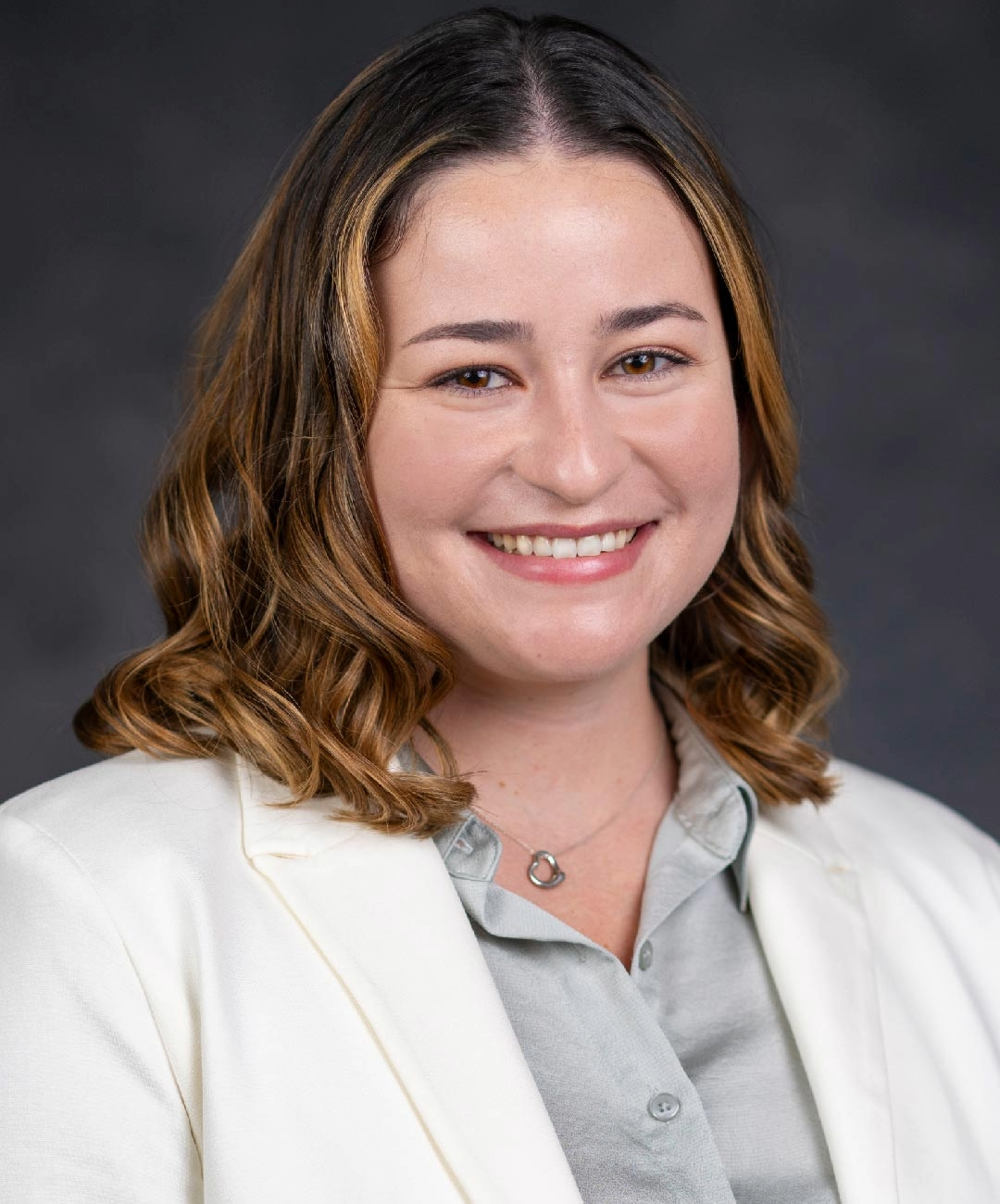
Olivia Joy Perkins is a fourth-year veterinary student at Cornell University College of Veterinary Medicine, where she is pursuing the production animal track. She has strong interests in public health, food animal health, and global health, and is concurrently completing a Master of Public Health degree through the University of Minnesota. As a USDA Saul T. Wilson Jr. Scholar, Olivia plans to devote her career to public service, with a focus on protecting food animal security and animal health both within the United States and internationally. She is especially interested in contributing to global health efforts that strengthen disease prevention, surveillance, and food system resilience. She looks forward to learning more about how the Institute of Infectious Animal Diseases contributes to these initiatives and to engaging with IIAD’s broader network of partners and stakeholders.
3rd Year DVM/MPH Student, University of Florida
Arbel Ben David
Arbel Ben David is a third-year veterinary student at the University of Florida’s College of Veterinary Medicine pursuing an MPH/DVM dual degree. Arbel is working toward a career in international zoonotic epidemiology and disease surveillance, with the goal of helping prevent, detect, and control emerging infectious diseases at the human–animal–environment interface. The increasing frequency of zoonotic spillover events—compounded by climate change and global mobility—underscores the need for coordinated, evidence-based, and transdisciplinary approaches to disease management. Arbel’s professional aspiration is to work at the forefront of these efforts by advancing surveillance systems, supporting outbreak response initiatives, and contributing to capacity‑building programs in regions most vulnerable to emerging zoonoses.
Final-year BVSc/AH student, College of Veterinary and Animal Sciences, Mannuthy, under Kerala Veterinary and Animal Sciences University
Kannan Ravikumar
Kannan Ravikumar is a final-year BVSc & AH student at the College of Veterinary and Animal Sciences, Mannuthy, under Kerala Veterinary and Animal Sciences University, and a veterinary innovator focused on sustainable and impact-driven solutions. He is the Founder and CEO of Green Hydrate, a startup incubated at the IIT Madras Incubation Centre Nirmaan, developing a patented biodegradable water can made from pineapple peel waste that can be repurposed as supplementary cattle feed after use. He is also the co-founder of Nesture Feeds, a commercialized venture in the animal nutrition space.
Kannan serves as the Vice-Chair of the Innovation and Entrepreneurship Development Centre (IEDC) at KVASU and has led multiple national and international initiatives through IVSA India, including roles in the Standing Committee on Veterinary Education and the Entrepreneurship Cell. A district-level winner of the Young Innovators Program and recipient of multiple national awards in biotechnology and innovation, his work spans CRISPR-based methane reduction research, sustainable livestock solutions, AI-driven canine behavior monitoring, and student-led veterinary capacity building, positioning him at the intersection of veterinary medicine, entrepreneurship, and climate-conscious innovation.